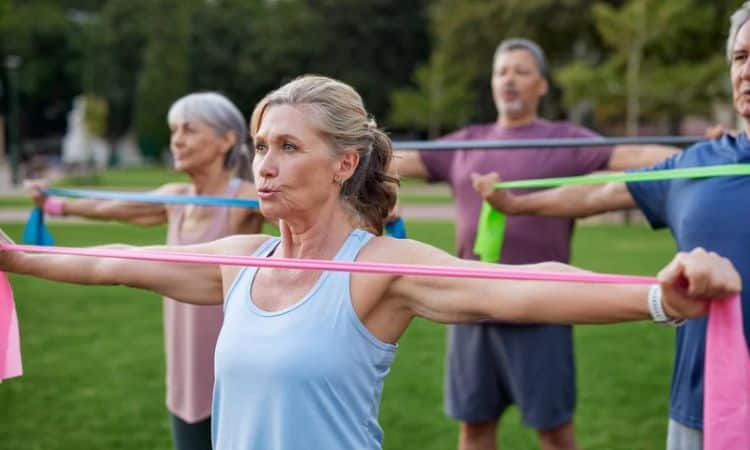
Transforming Your Body After 50: What Really Works
Some links in this post are affiliate links. As an Amazon Associate, we earn from qualifying purchases that help keep our content free.
Your body after 50 may respond differently than it used to, and there are real reasons for that. Menopause, shifting hormones, muscle loss, sleep, stress, nutrition, and recovery can all change the way you feel, move, and carry weight. But transforming your body after 50 is still absolutely possible. It is less about eating less or exercising harder, and more about understanding what your body needs now.
In this guide, we’ll look at strength, hormones, food, vitamins, movement, mindset, and the everyday habits that can help you feel stronger, healthier, and more at home in your body again.
Why Your Body Changes After 50

If your body suddenly seems to play by different rules after 50, you are not imagining it. You may notice that weight settles differently around your middle, maintaining muscle takes more effort, you do not recover from workouts as quickly, or your energy feels less predictable than it once did.
Some of these changes are simply part of getting older. Others are connected to the hormonal shifts that happen during perimenopause and menopause. Most women enter the menopausal transition somewhere between ages 45 and 55, although every woman experiences it differently. During this time, estrogen and progesterone levels change significantly.
That is why transforming your body after 50 should not simply mean doing more cardio or cutting more calories. Your body has changed, so the way you support it may need to change too.
Hormones and Menopause
Menopause is not an illness. It is a normal biological transition. But that does not mean the changes happening inside your body are insignificant.
As estrogen levels decline, changes can occur in body composition, fat distribution, bone density and physical function. Many women notice that more fat begins to collect around the abdomen even when their overall body weight has not changed dramatically.
This is important because the number on the scale does not always tell the whole story.
You might weigh almost exactly what you did five years ago but have a different ratio of muscle to fat. Your waist may feel different. Your clothes may fit differently. You may feel less strong even though your weight has barely moved.
Researchers are still working to separate exactly how much of this is caused by menopause itself and how much comes from normal aging, lifestyle and changes in activity. A recent review found that menopause is associated with changes in muscle and fat distribution, but also emphasized that the relationship is complex and cannot simply be blamed on estrogen alone.
And that is an important point for this entire guide.
There is no single hormone, food or exercise that explains everything.
Your sleep matters. Your activity matters. Your genetics matter. Your stress matters. Your nutrition matters. Your medical history matters. And two women going through menopause at exactly the same age can have very different experiences.
Muscle and Metabolism
One of the most important changes to pay attention to after 50 is muscle.
We naturally tend to lose muscle as we age, and research suggests that changes in lean mass can become particularly noticeable around the menopausal years. Scientists are still studying exactly how much menopause itself contributes, but declining hormones, aging, activity levels and nutrition all appear to be part of the picture.
This matters for much more than how toned your arms look.
Muscle helps you climb stairs, carry groceries, get up from the floor, maintain balance and stay independent as you get older. It is also metabolically active tissue and plays an important role in how your body handles glucose.
So instead of thinking only about losing weight after 50, it can be far more useful to think about protecting and building muscle while taking care of your overall health.
This is also one reason endlessly eating less can backfire.
If you continually reduce food without giving your body enough protein and without challenging your muscles, losing weight can also mean losing some of the tissue you actually want to preserve.
The goal is not simply to make your body smaller.
The goal is to make it stronger.
Later in this guide, we will look closely at strength training, protein and the best exercise for women over 50, because maintaining muscle may be one of the most valuable investments you can make in your future health.
Sleep, Stress, and Energy
Then there is something that often gets ignored in body transformation advice: how you actually feel.
You can have the perfect workout plan written on paper, but it becomes much harder to follow when you have been awake half the night.
Sleep problems are common during the menopausal transition. Hot flashes and night sweats can disturb sleep, but menopause also happens during a stage of life when many women are juggling work, relationships, aging parents, grown children, financial pressures and other sources of stress.
Poor sleep can leave you feeling hungrier, less energetic and far less interested in exercising. Stress can make self care feel like one more item on an already full to-do list.
This is why your starting point matters.
If you are exhausted, the answer may not be a six-day workout challenge.
It might be walking every morning, going to bed earlier, eating a proper breakfast, doing two strength sessions a week and gradually rebuilding your energy.
Another woman may already sleep well and walk every day but need to start lifting heavier weights.
Someone else may benefit most from changing what she eats.
There is no universal starting line.
The most effective approach is usually the one that fits the body and life you actually have today, not the body you had at 30 or the routine someone else follows on social media.
Your body after 50 is different.
Different does not mean worse.
It simply means it is time to understand what it needs now.
The Best Exercise for Women Over 50
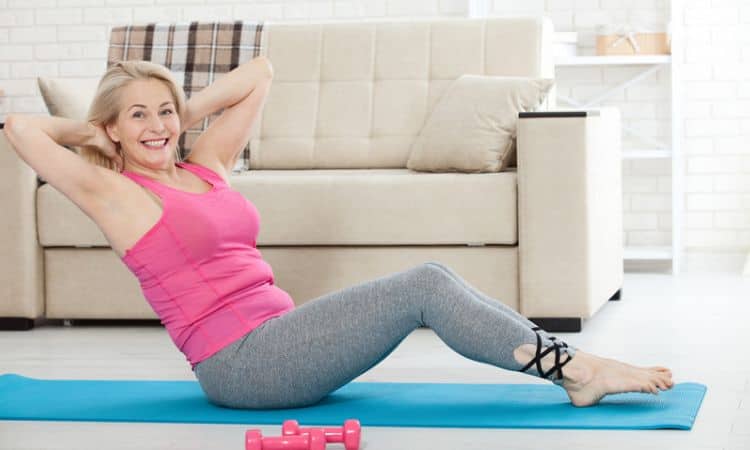
The best exercise for women over 50 is not one specific workout. A strong routine combines strength, cardio, mobility, and balance.
You do not need to exercise every day or push yourself to exhaustion. What matters most is staying consistent and choosing movement that fits your current fitness level.
Strength Training
Strength training becomes especially important after 50 because muscle mass naturally declines with age.
It can help you:
- maintain and build muscle
- support stronger bones
- improve balance
- make daily activities easier
- support healthy blood sugar and metabolism
Good options include dumbbells, resistance bands, machines, or bodyweight exercises.
Aim for around 2 strength sessions per week to start.
Read more: Best Strength Training Exercises For Women Over 50
Walking and Cardio
Walking is one of the easiest ways to improve fitness after 50.
It supports heart health, stamina, mood, and everyday movement without requiring a gym.
Other good cardio options include:
- cycling
- swimming
- dancing
- hiking
- water aerobics
A useful general goal is around 150 minutes of moderate activity per week, but there is no need to start there.
Ten or twenty minutes at a time still counts.
Mobility and Balance
Mobility helps you move comfortably. Balance helps you stay steady and confident as you get older.
Simple options include:
- gentle stretching
- yoga
- tai chi
- standing on one leg
- heel-to-toe walking
- practicing getting down to the floor and back up
You do not need a separate hour-long workout for this. A few minutes regularly can make a difference.
How Often Should You Exercise?
A balanced week could eventually look like:
- 2–3 strength workouts
- regular walking or cardio
- a few minutes of mobility
- some balance practice
- rest when your body needs it
If you are currently inactive, start much smaller.
A 10-minute walk and two short strength workouts per week can be a very good beginning.
The goal is not to exercise as hard as possible.
The goal is to become stronger, move better, and build fitness you can maintain for years.
What to Eat After 50
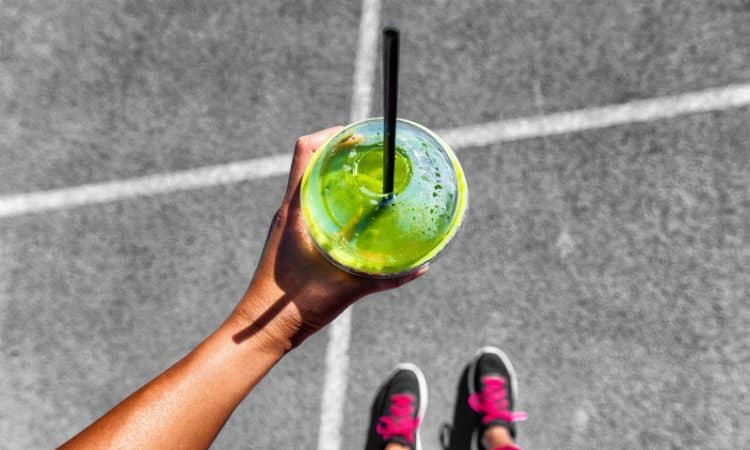
There is no perfect diet for women over 50.
Your needs depend on your activity level, health, appetite, body composition, medications, and personal preferences. But a few basics can make a big difference.
A good place to start is with enough protein, plenty of fiber, healthy fats, quality carbohydrates, and mostly nutrient-dense foods.
Protein
Protein becomes especially important as you get older because it helps maintain and repair muscle.
Good sources include:
- eggs
- Greek yogurt or cottage cheese
- fish and seafood
- chicken or lean meat
- tofu and tempeh
- beans and lentils
- nuts and seeds
Try to include a source of protein in each main meal rather than saving most of it for dinner.
If you are strength training, this becomes even more important because your muscles need both resistance and nutrition to adapt.
Read more: Chocolate Almond Protein Smoothie – Rich & Energizing
Fiber and Carbs
Carbohydrates are not automatically the enemy after 50.
The type of carbohydrate matters much more.
Choose foods such as:
- vegetables
- fruit
- beans and lentils
- oats
- potatoes
- brown rice
- whole grains
These foods provide energy, vitamins, minerals, and often fiber.
Fiber also supports digestion and can help with fullness, blood sugar control, and cholesterol. Foods such as beans, berries, vegetables, whole grains, nuts, and seeds are especially useful sources.
You do not need to remove bread, pasta, or potatoes simply because you reached menopause.
Pay attention to how different foods make you feel and how they fit into your overall eating pattern.
Healthy Fats
Fat is an important part of a healthy diet too.
Useful sources include:
- olive oil
- avocado
- nuts
- seeds
- fatty fish
Unsaturated fats are generally a better everyday choice than foods high in saturated fats.
Again, there is no need to fear one individual food. Think about your overall pattern.
Eat for Your Own Body
This may be the most important part.
Do not automatically copy what another woman eats just because she looks fit.
Instead, pay attention to your own body.
Ask yourself:
Am I hungry all the time?
You may need more protein, fiber, or simply more food.
Do I crash in the afternoon?
Look at your breakfast, lunch, hydration, sleep, and overall meal balance.
Am I constantly bloated or uncomfortable?
Keep track of patterns rather than immediately cutting out entire food groups.
Am I getting stronger?
If you are training hard but constantly exhausted, your body may not be getting enough fuel or recovery.
Do I enjoy the way I eat?
This matters more than people think. A diet you hate is unlikely to become a long-term habit.
Healthy eating after 50 should not feel like punishment.
Build most of your meals around whole or minimally processed foods, include protein and plants regularly, drink enough water, and leave room for foods you simply enjoy.
You are not trying to eat perfectly.
You are trying to eat in a way that supports the life, energy, and body you want to have for the years ahead.
Vitamins and Nutrients to Know About
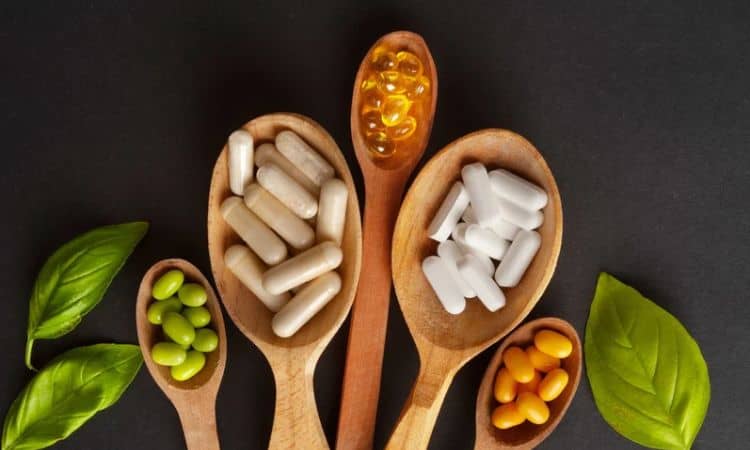
After 50, some nutrients deserve a little more attention, especially as menopause affects bone health and aging can change how well your body absorbs certain vitamins.
That does not mean every woman needs a cupboard full of supplements.
Food comes first whenever possible, and supplements should fill a real need rather than replace a balanced diet.
Vitamin D and Calcium
Calcium and vitamin D work together to support strong bones.
This becomes more important after menopause because lower estrogen levels can speed up bone loss. Women over 50 are generally advised to get around 1,200 mg of calcium per day, preferably from food when possible.
Good calcium sources include:
- yogurt and milk
- fortified plant milks
- cheese
- tofu made with calcium
- leafy greens
- canned salmon or sardines with bones
Vitamin D helps your body absorb calcium and also supports muscle function. Adults ages 51–70 generally need around 600 IU (15 mcg) per day, increasing to 800 IU after age 70.
Because vitamin D is difficult to get from food alone, it can be worth discussing your levels and individual needs with your doctor.
Vitamin B12 and Magnesium
Vitamin B12 supports your nervous system and helps your body make healthy blood cells.
After 50, some people absorb B12 from food less efficiently. That is why fortified foods or supplements may sometimes be recommended, especially if your intake is low or you take medications that affect absorption.
Magnesium is involved in hundreds of processes in the body, including muscle and nerve function.
Food sources include:
- nuts and seeds
- beans
- whole grains
- leafy vegetables
- avocado
There is no reason to automatically take a high-dose magnesium supplement simply because you are over 50. More is not always better.
Omega-3s and Other Nutrients
Omega-3 fats are worth including as part of an overall heart-healthy eating pattern.
Good sources include fatty fish such as salmon, sardines, trout, and mackerel. Plant sources include walnuts, chia seeds, and flaxseeds.
Other nutrients can matter too, but your personal needs may be very different from someone else’s.
For example, iron requirements usually fall after menopause because monthly blood loss stops. That means an iron supplement that made sense earlier in life may no longer be necessary unless you have a diagnosed deficiency or another medical reason.
When Supplements Make Sense
A supplement can be useful when you cannot get enough of a nutrient through food, have a diagnosed deficiency, follow a diet that limits certain foods, or have a condition or medication that affects absorption.
But avoid the mindset that more vitamins automatically mean better health.
Before adding multiple supplements, ask:
- Am I already getting this through food?
- Do I actually know that I am low?
- Could it interact with medication?
- Am I taking more than the recommended amount?
- Would a blood test or conversation with my doctor help?
Healthy habits for women over 50 are built mostly around food, movement, sleep, strength, and consistency.
Supplements can support that foundation.
They cannot replace it.
Healthy Habits for Women Over 50
Exercise and nutrition matter, but they are only part of the picture.
Some of the most effective healthy habits for women over 50 are surprisingly simple: sleep well, move often, manage stress, drink enough water, and give your body time to recover.
Sleep and Recovery
Sleep affects almost everything.
When you are tired, it becomes harder to exercise, make balanced food choices, manage stress, and feel motivated.
Try to create a simple evening routine:
- go to bed around the same time
- keep your bedroom cool and dark
- limit late-night scrolling
- avoid heavy meals right before bed
- give yourself time to wind down
If hot flashes, night sweats, or ongoing sleep problems are affecting you regularly, it may be worth discussing them with your doctor rather than simply accepting poor sleep.
Move More During the Day
A workout cannot completely replace a day spent sitting.
Try to add small amounts of movement throughout your day:
- take a short walk after meals
- stand up regularly
- use the stairs
- garden
- clean the house
- walk while talking on the phone
These small habits may not feel like exercise, but they add up.
Alcohol and Hydration
Your body may also respond differently to alcohol after 50.
Some women notice that even small amounts affect their sleep, energy, hot flashes, or recovery.
You do not necessarily have to stop drinking completely. Just pay attention to how it makes you feel.
Hydration matters too. Keep water nearby and drink regularly throughout the day, especially when exercising or spending time in hot weather.
Stress Management
Stress is part of life, but constantly feeling overwhelmed can make healthy habits much harder to maintain.
Stress management does not need to mean an hour of meditation every morning.
It can be:
- taking a walk outside
- spending time alone
- calling a friend
- journaling
- gardening
- reading
- stretching
- saying no more often
Women over 50 self care is not about doing everything perfectly.
Sometimes it simply means noticing what drains you, what restores you, and giving yourself permission to make more room for the second.
Your body does not need perfection.
It needs consistency, rest, movement, nourishment, and a little patience.
Mindset Matters Too
Changing your body after 50 is not only physical.
Your mindset can make the difference between starting another short-lived plan and building habits you actually keep.
You do not need endless discipline. You need a reason to keep showing up, even when motivation is low.
Self Motivation
Self motivation is rarely something you either have or do not have.
It is easier to stay consistent when your goals feel personal and realistic.
Instead of saying:
“I need to lose 20 pounds.”
Try:
“I want to feel stronger when I get out of bed.”
“I want more energy when I travel.”
“I want to keep up with my grandchildren.”
“I want to feel comfortable in my clothes again.”
The more meaningful the goal, the easier it is to come back to it.
Get Fit Motivation
If you are looking for get fit motivation, do not wait until you feel inspired.
Start with something small enough that you can do it anyway.
That could be:
- a 10-minute walk
- one strength workout
- adding protein to breakfast
- going to bed 30 minutes earlier
- drinking more water
- stretching for five minutes
Action often creates motivation, not the other way around.
Stop Comparing Your Body
One of the fastest ways to lose motivation is to compare yourself with someone else.
Especially online.
You may see fit women over 50 and assume you should look the same if you just work hard enough.
But you do not know their genetics, health history, training background, lifestyle, hormones, medications, or what happens behind the scenes.
Your progress is your own.
Look for changes such as:
- feeling stronger
- sleeping better
- having more energy
- walking farther
- lifting heavier
- recovering faster
- feeling more confident in your body
Those changes matter.
You are not trying to recreate the body you had at 25.
You are building a body that supports the life you want now.
Reinventing Yourself After 50
For many women, the years after 50 are about more than changing their body.
They can also be a chance to decide how you want the next chapter of your life to feel.
Reinventing yourself after 50 does not have to mean becoming a completely different person. It can simply mean paying attention to what still fits your life, what no longer does, and what you want more of.
Women Over 50 Self Care
Women over 50 self care is not only about spa days or taking time off.
It can also mean:
- making your health a priority
- setting better boundaries
- spending time with people who give you energy
- protecting your sleep
- moving your body regularly
- asking for help when you need it
- making time for things you genuinely enjoy
Sometimes self care is relaxing.
Sometimes it is doing the harder thing because you know your future self will benefit from it.
What Fit Women Over 50 Do Differently
Fit women over 50 are not all following the same diet or workout routine.
What they often have in common is consistency.
They tend to:
- keep moving
- make strength a priority
- eat enough nourishing food
- recover properly
- adjust when life changes
- return to their habits after an off week
That last one matters.
You do not have to be perfect to make progress.
Missing workouts, eating differently on vacation, or having a stressful month does not erase everything you have done.
You simply begin again.
Small Changes Can Transform Your Life
It is easy to think you need a complete reset.
Usually, you do not.
One new habit can lead to another.
A daily walk can improve your energy. More energy can make strength training easier. Getting stronger can improve confidence. Better sleep can make healthier food choices feel easier.
That is how small changes can slowly transform your life.
You do not need to change everything at once.
Choose one thing your body needs most right now and start there.
Your Simple Starting Plan
You do not need to change everything at once.
The best plan is the one you can actually keep doing.
If You Haven’t Exercised in Years
Start small.
For the first few weeks, focus on:
- walking 10–20 minutes most days
- doing 2 short strength sessions per week
- adding protein to each main meal
- drinking more water
- improving your sleep routine
That is enough.
Do not worry about doing more until this starts to feel normal.
If You Already Exercise
If you are already active, look at where you may be missing something.
Ask yourself:
- Am I doing enough strength training?
- Am I still getting stronger?
- Am I recovering well?
- Am I eating enough protein?
- Am I moving throughout the day?
- Am I sleeping well?
Sometimes the answer is not more exercise.
It may be better recovery, better nutrition, or simply a more balanced routine.
What Progress Can Look Like
Do not measure progress only by the scale.
Look for signs such as:
- clothes fitting differently
- increased strength
- better energy
- improved sleep
- walking farther without getting tired
- better balance
- feeling more confident
- needing less recovery after exercise
Your body may change slowly, and that is completely normal.
Transforming your body after 50 is not about chasing fast results.
It is about building strength, health, confidence, and habits that support you for the years ahead.
Start with one change.
Let it become part of your life.
Then build from there.
You’re Not Too Late
Your body will keep changing as you get older, but that does not mean your best years are behind you.
You can still become stronger. You can improve your energy. You can build healthier habits, feel more confident, and take better care of yourself than you did years ago.
You do not need to overhaul your entire life.
Start with one thing.
Walk more. Lift weights. Eat more protein. Sleep better. Drink more water. Give yourself more recovery.
Then keep going.
Transforming your body after 50 is not about becoming someone else.
It is about becoming stronger, healthier, and more connected to the body you have now.
